
Engineering guides, material comparisons, and industry trends from our team.
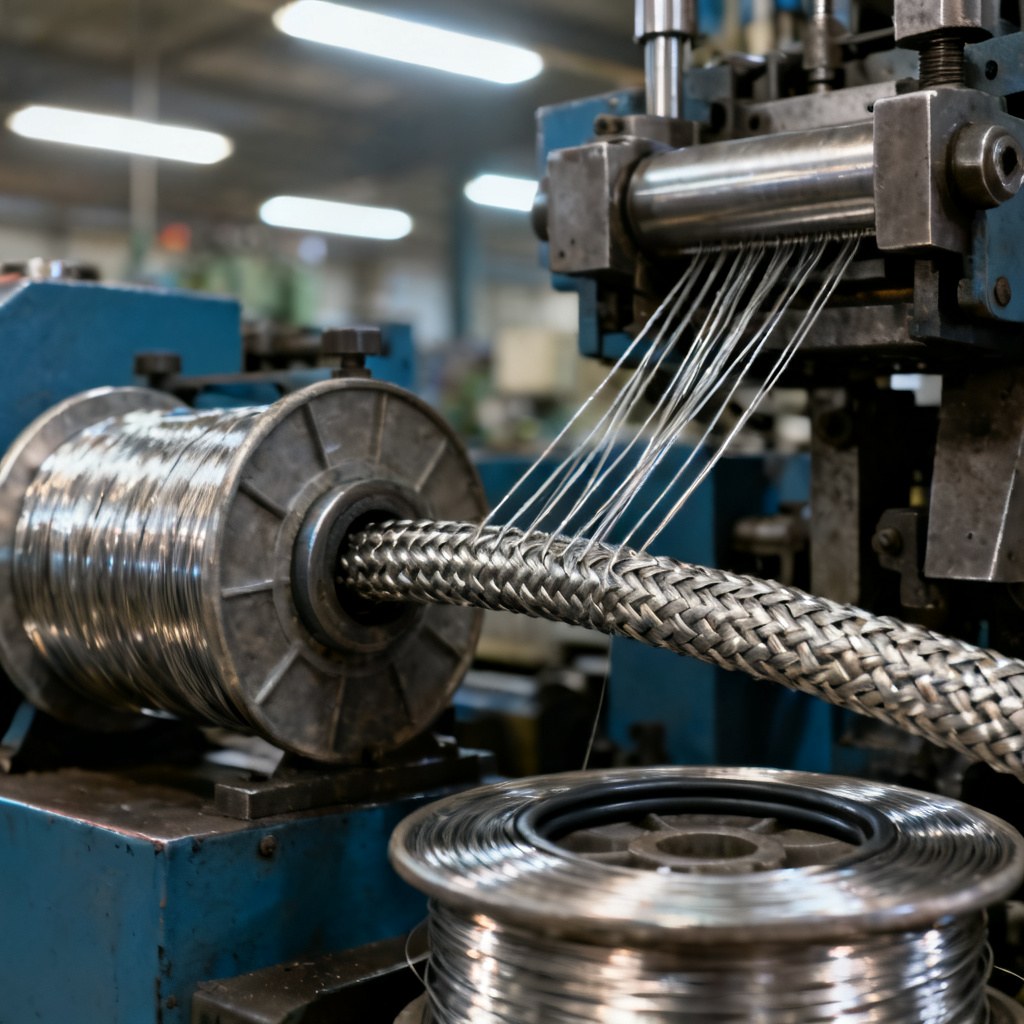
Woven steel cores bring flex life and torsion strength to molded and fabricated seals that flat wire cores cannot match. Here is how they are built, where they ...
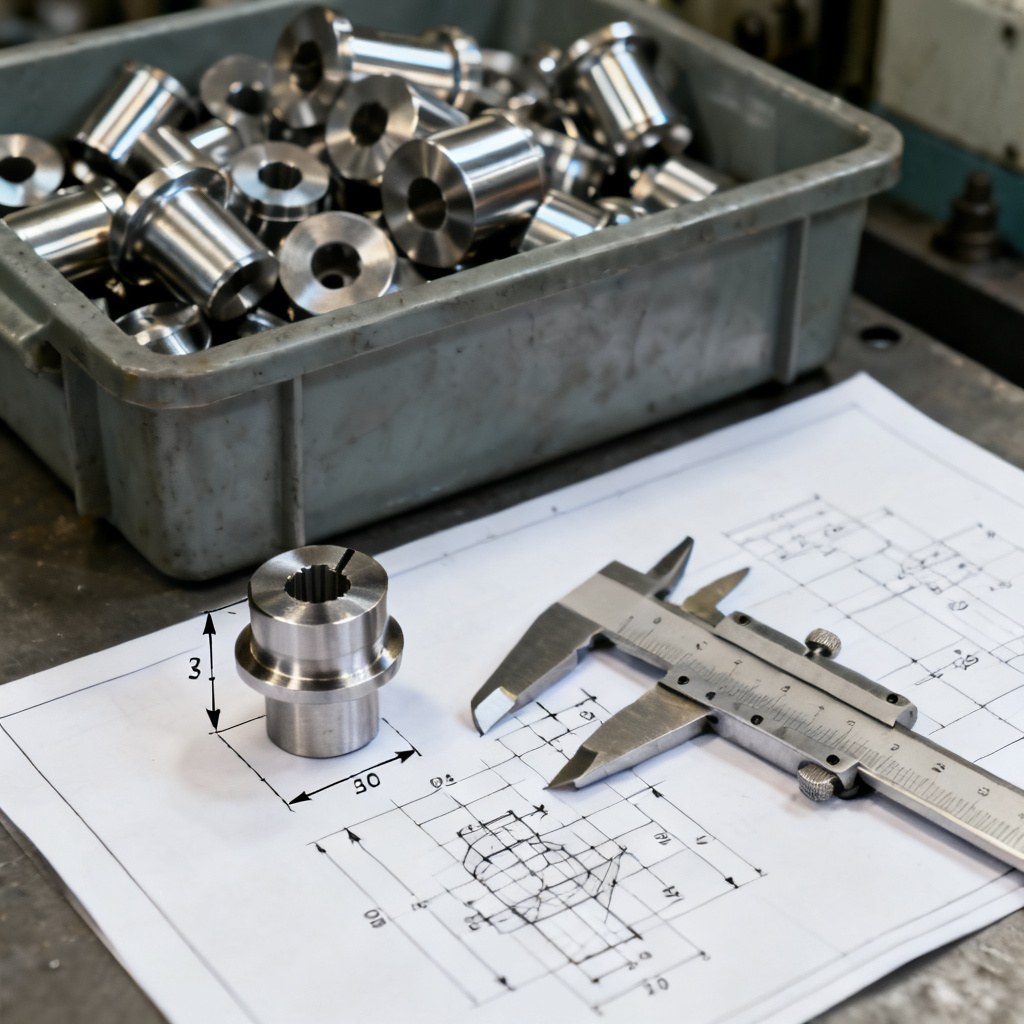
Cam lathes make small rotated parts remarkably cheap when the drawing respects the process. Six design rules that keep cycle times low and yields high on high-v...
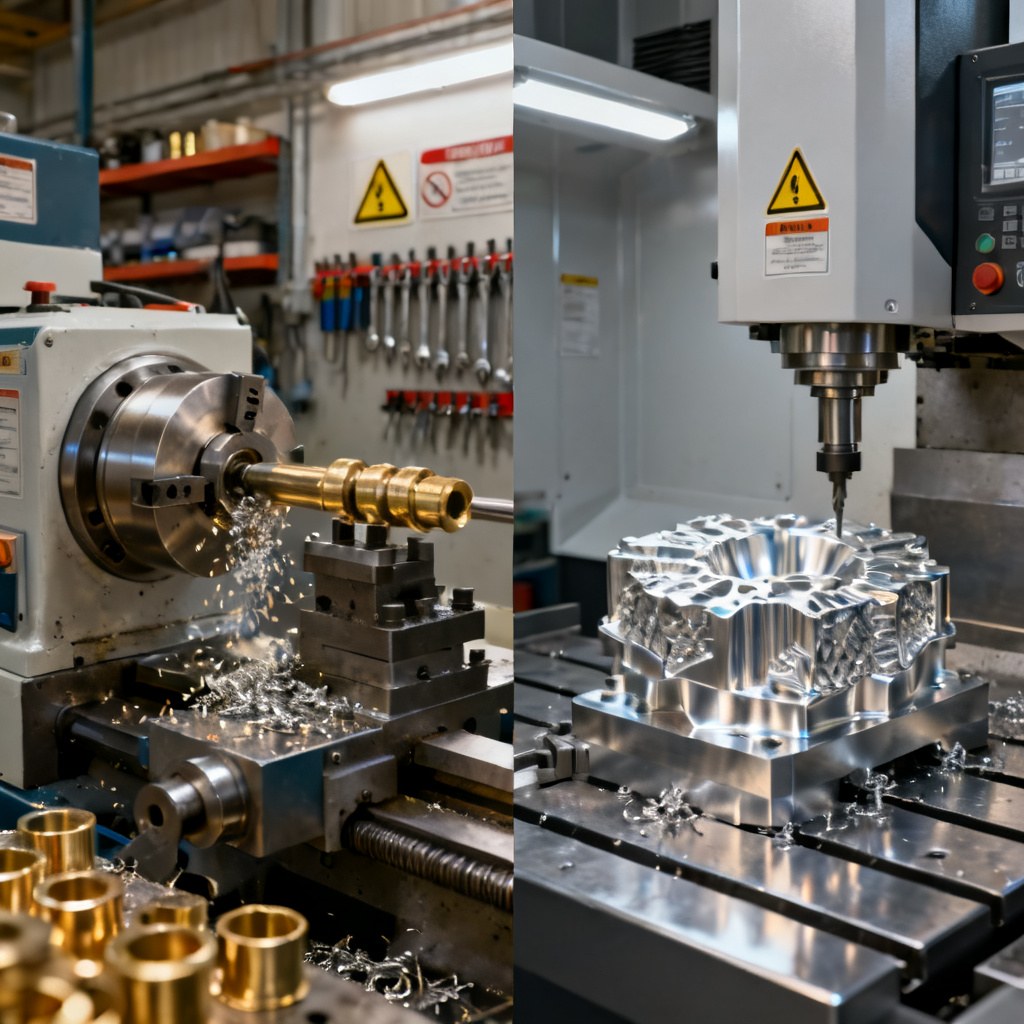
Neither process is universally better. Quantity, geometry, and changeover frequency decide. Here is a side-by-side comparison to help you pick the right route b...
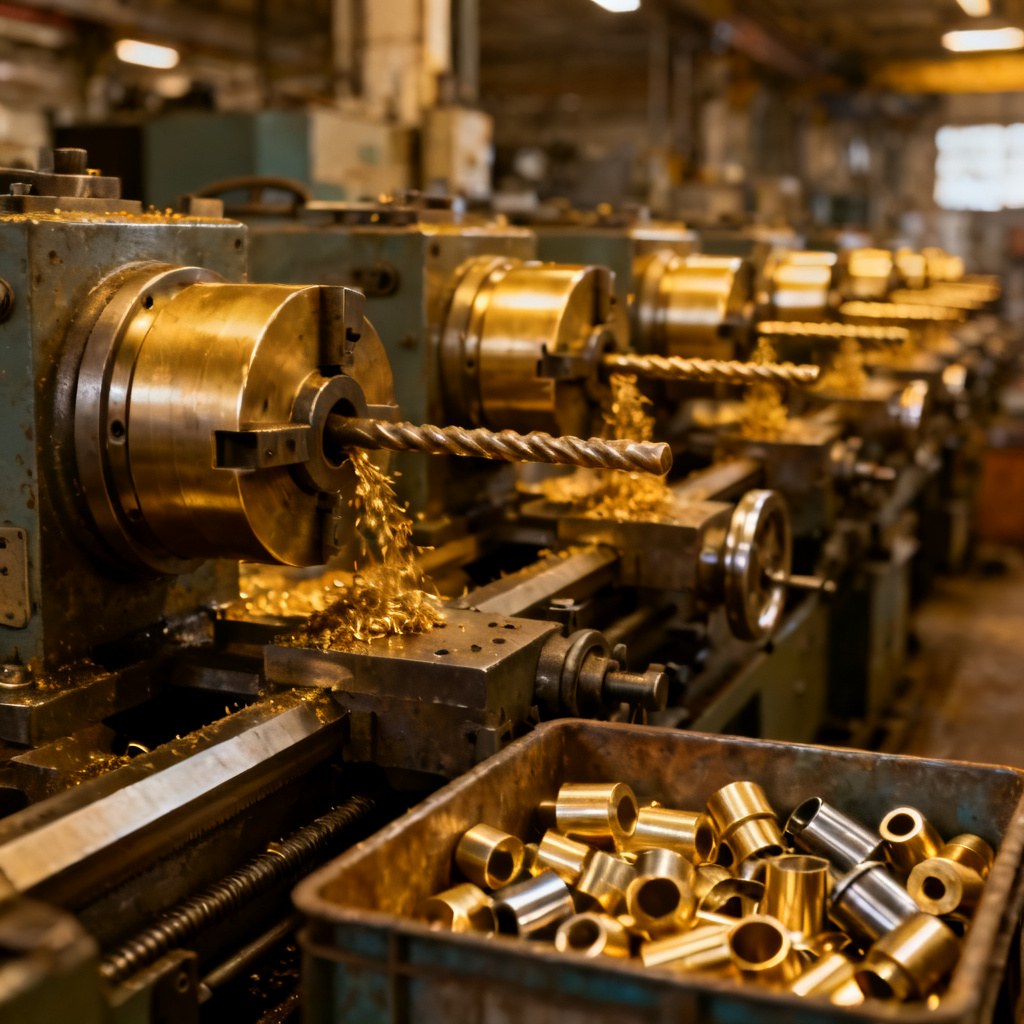
Cam automatic lathes are the quiet workhorses behind the small turned parts that hold factories together. Here is how they work, what they make well, and when t...
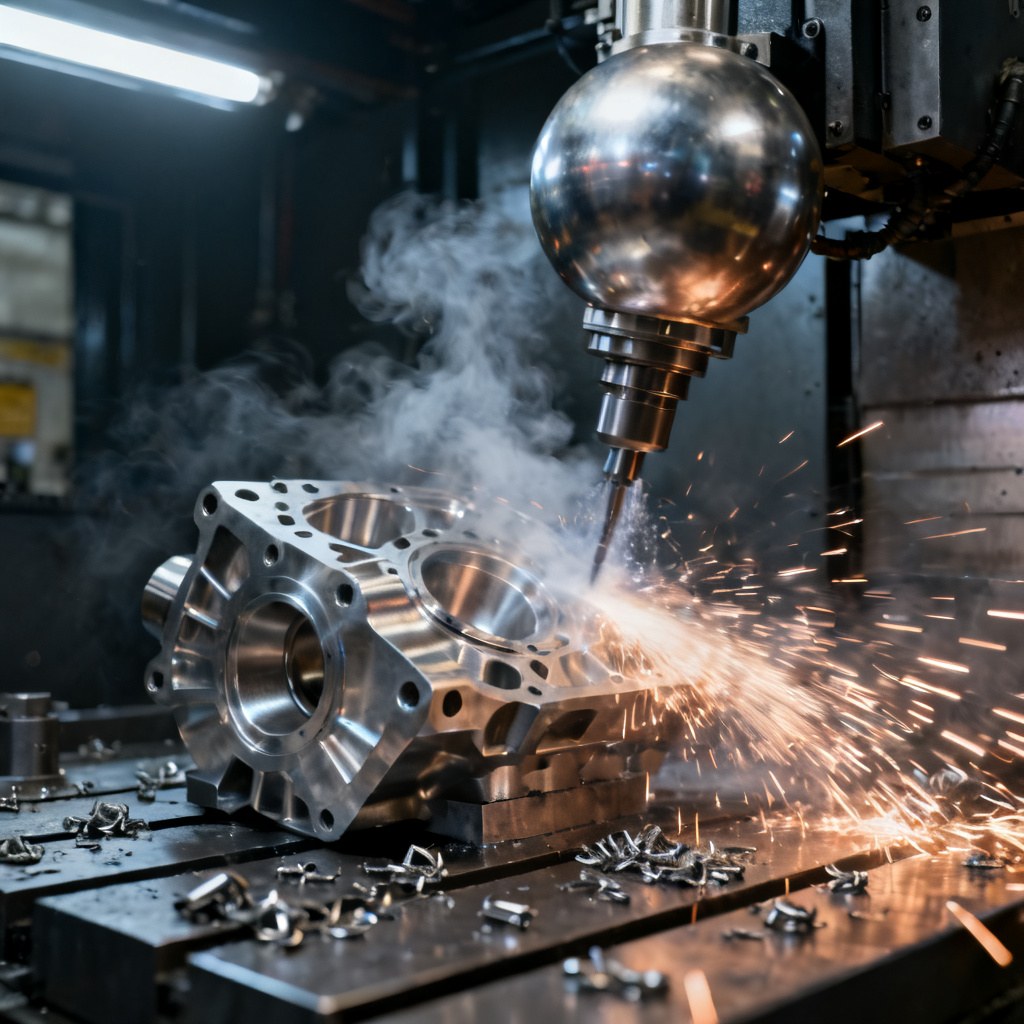
Five-axis machining is not a luxury — it is an economics question. Learn when fewer setups and full tool reach pay for the machine investment, and when th...
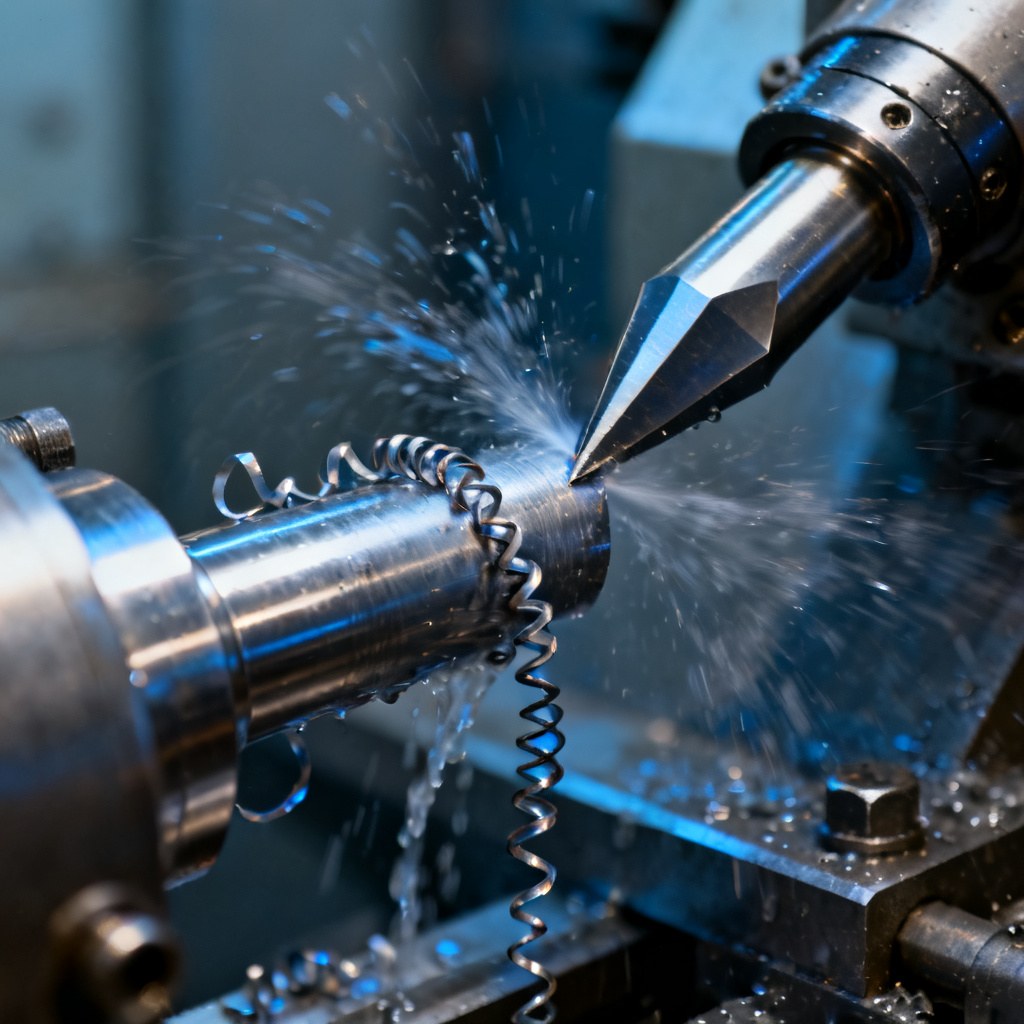
A turned shaft fails at its tolerances, not its outline. Here is what actually controls diameter, roundness, and finish — and how to specify them so the p...
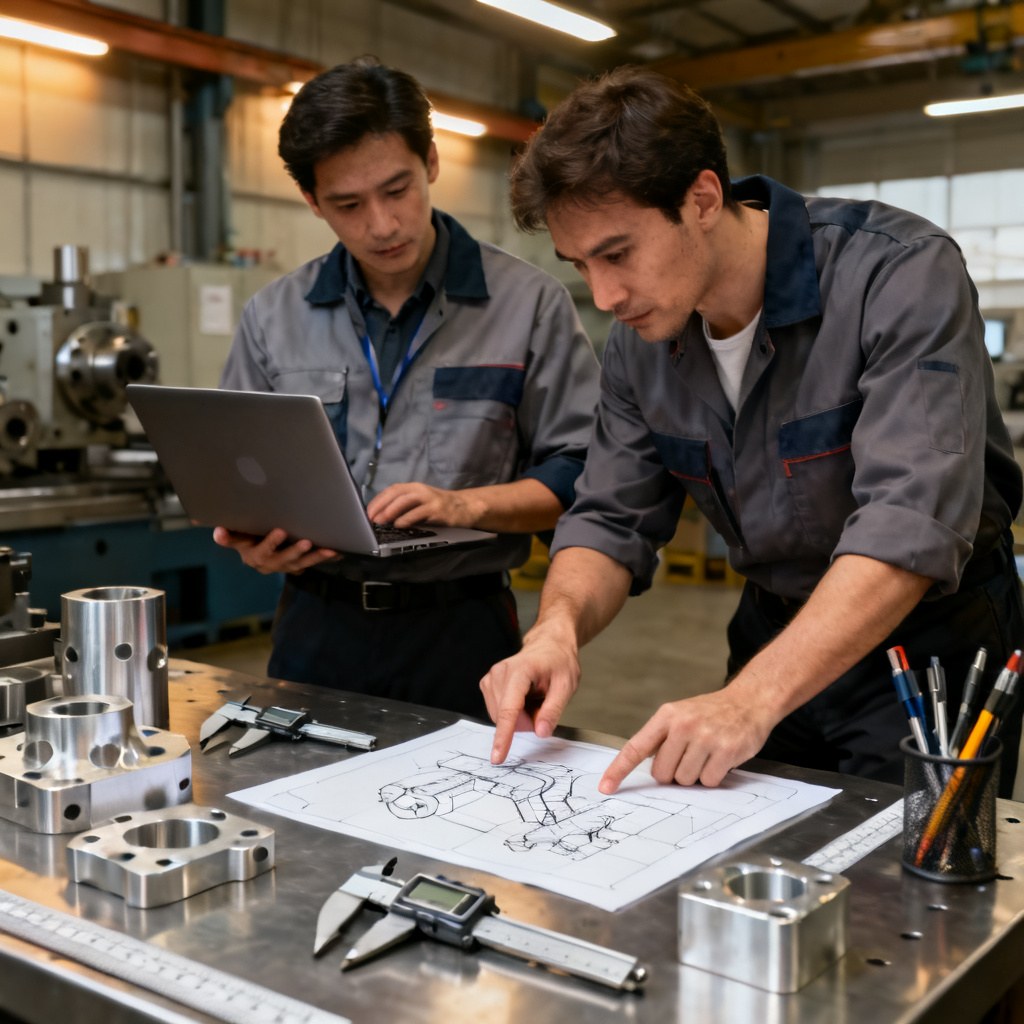
A machined part that works and a machined part that is affordable to make are not the same thing. Here are the drawing decisions that drive cost down without to...
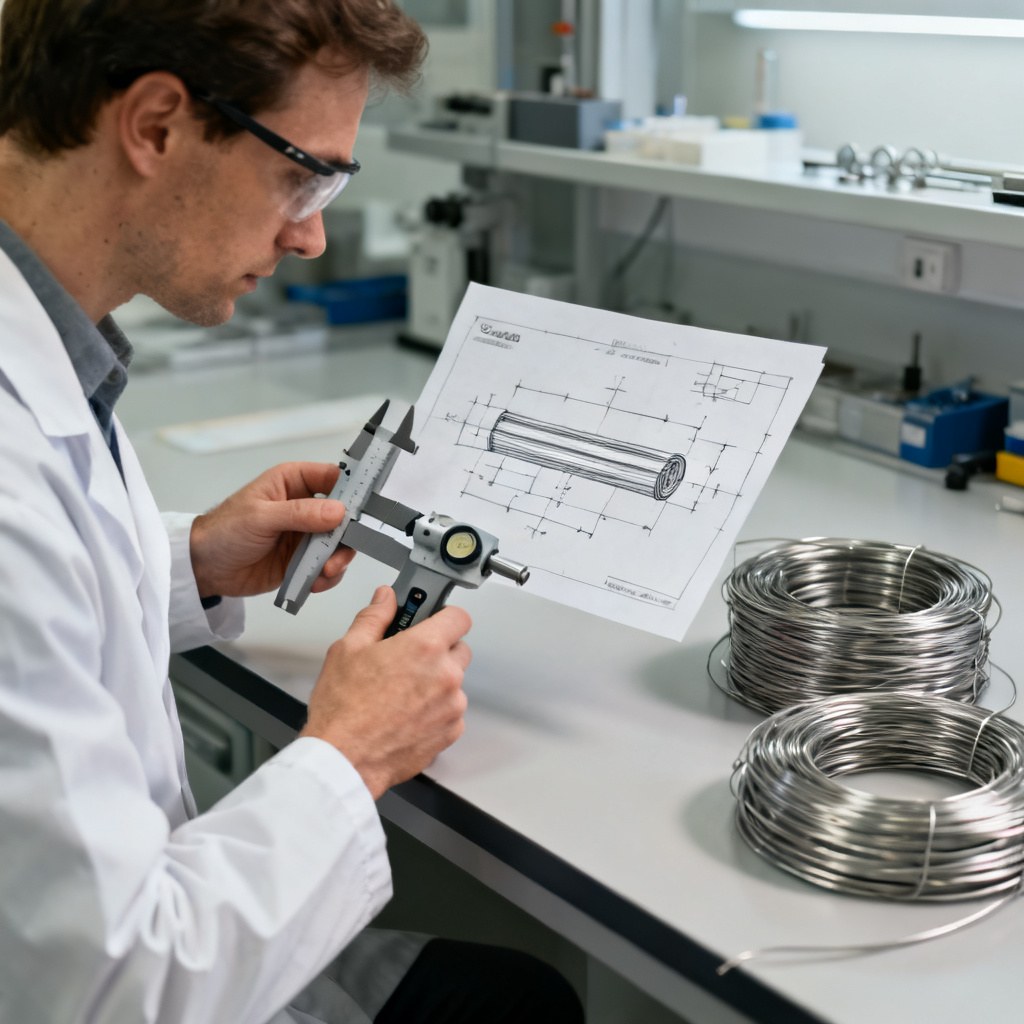
A clear specification prevents seal failures and line stoppages. Here is what to define on a seal strip steel core drawing, the tolerances to expect, and the do...
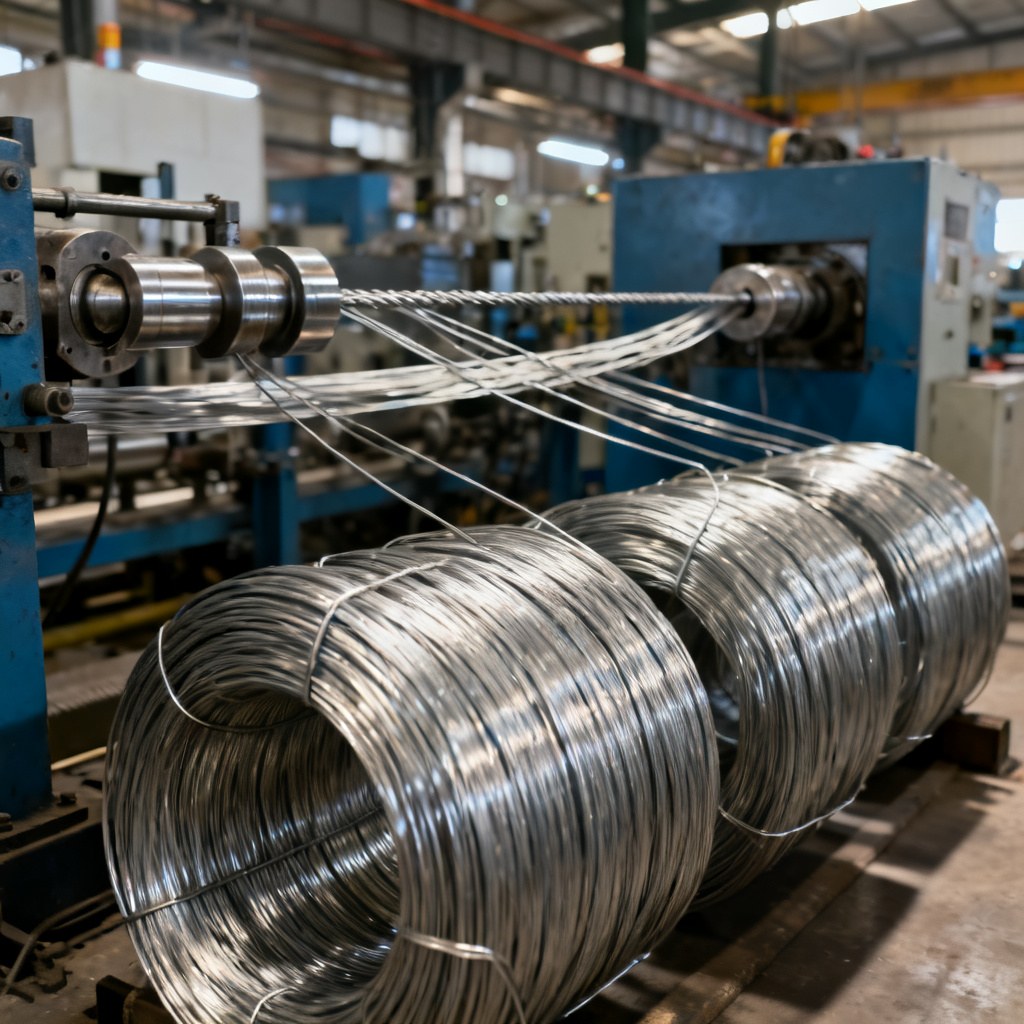
The steel core inside a weatherstrip goes through drawing, tempering, profiling, and coating before it is coiled for extrusion. Here is the step-by-step route a...
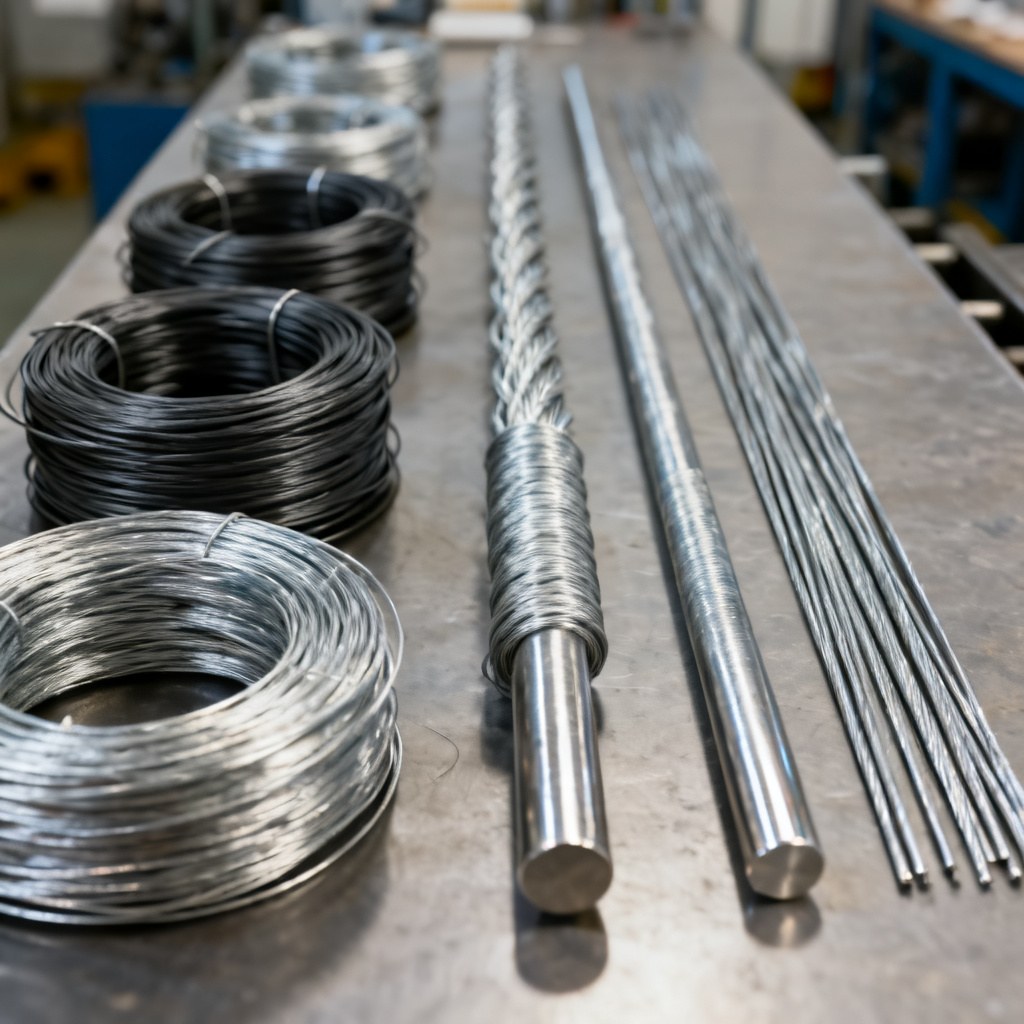
The material and coating of a seal strip steel core decide how long the seal survives corrosion and fatigue. Compare low-carbon, spring-temper, galvanized, plat...
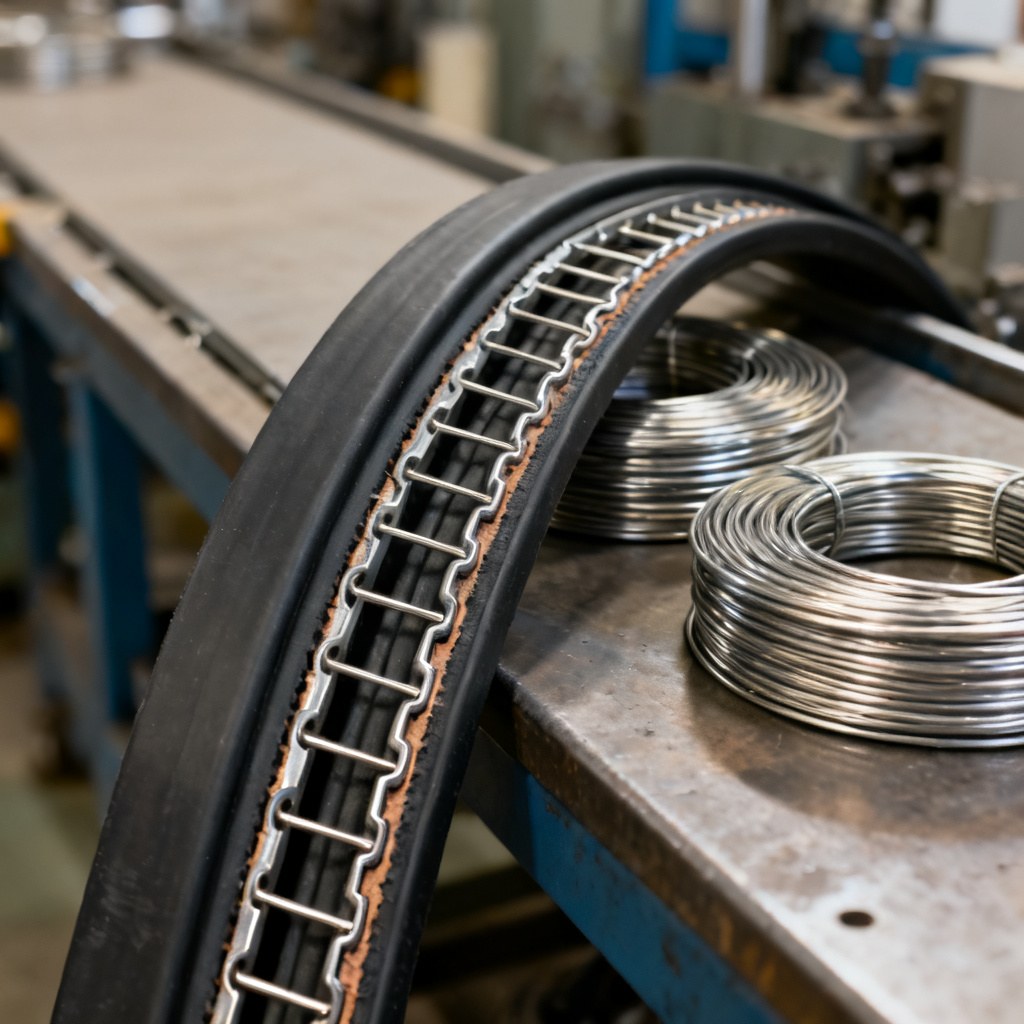
Every automotive weatherstrip hides a steel wire skeleton that gives the seal its shape, clamp load, and pull-off resistance. Here is what a seal strip steel co...
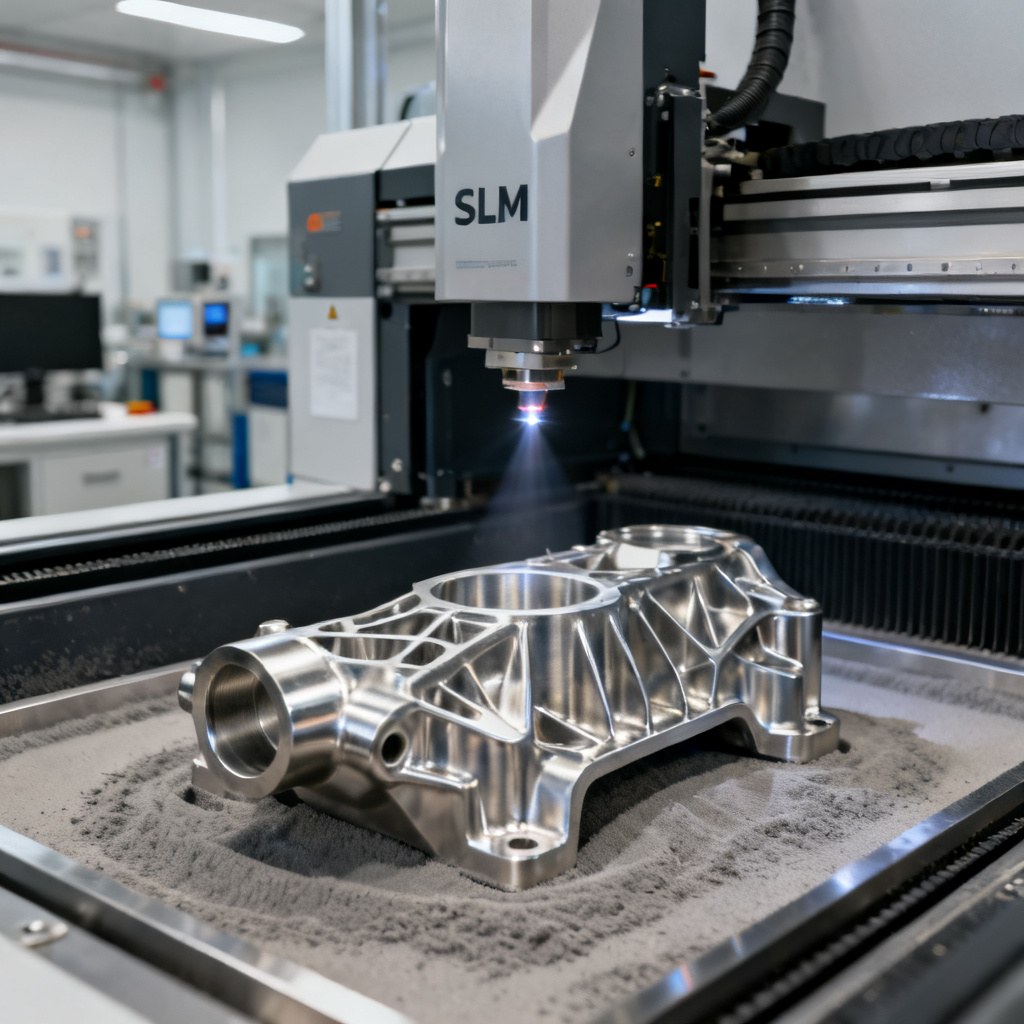
Metal 3D printing enables geometries you cannot machine, but it comes with trade-offs in cost, surface finish, and acceptance. Here is a practical decision guid...