1. CNC Machining: The Backbone of Precision
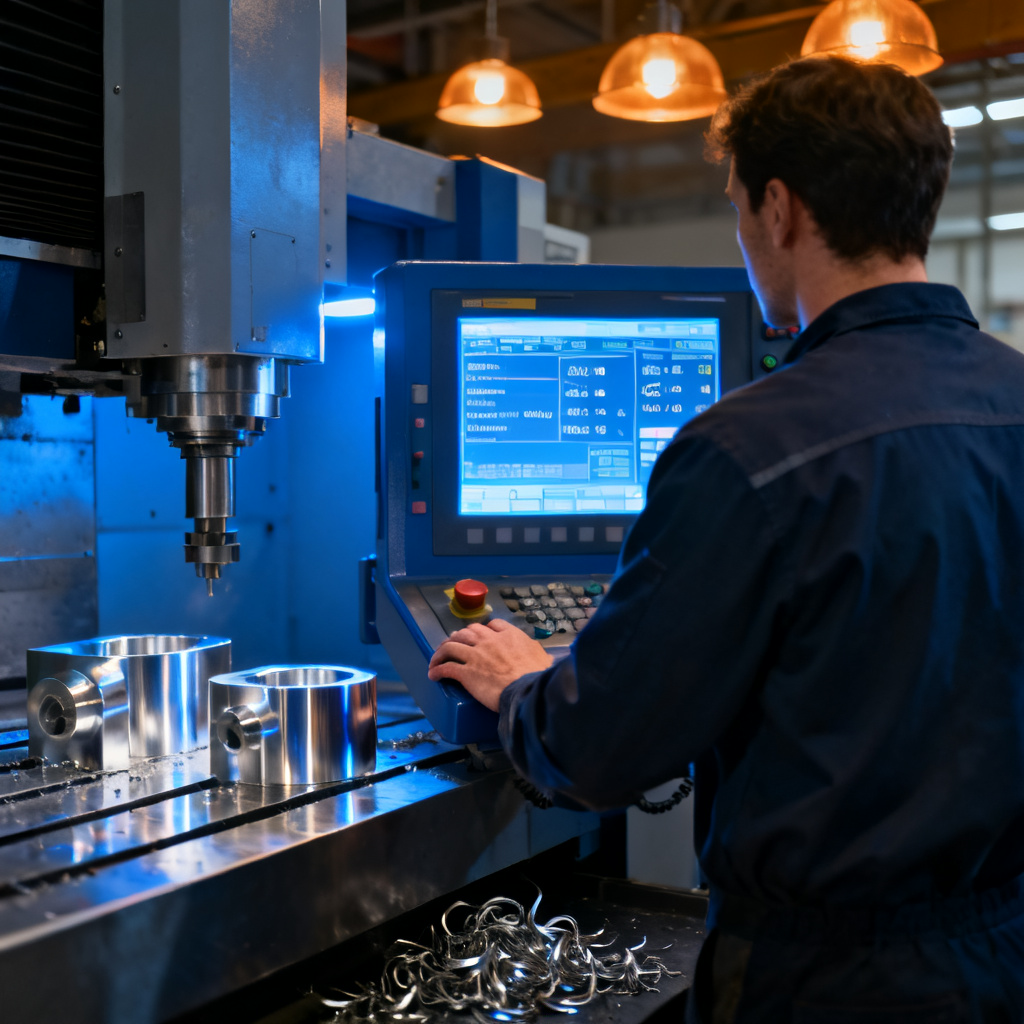
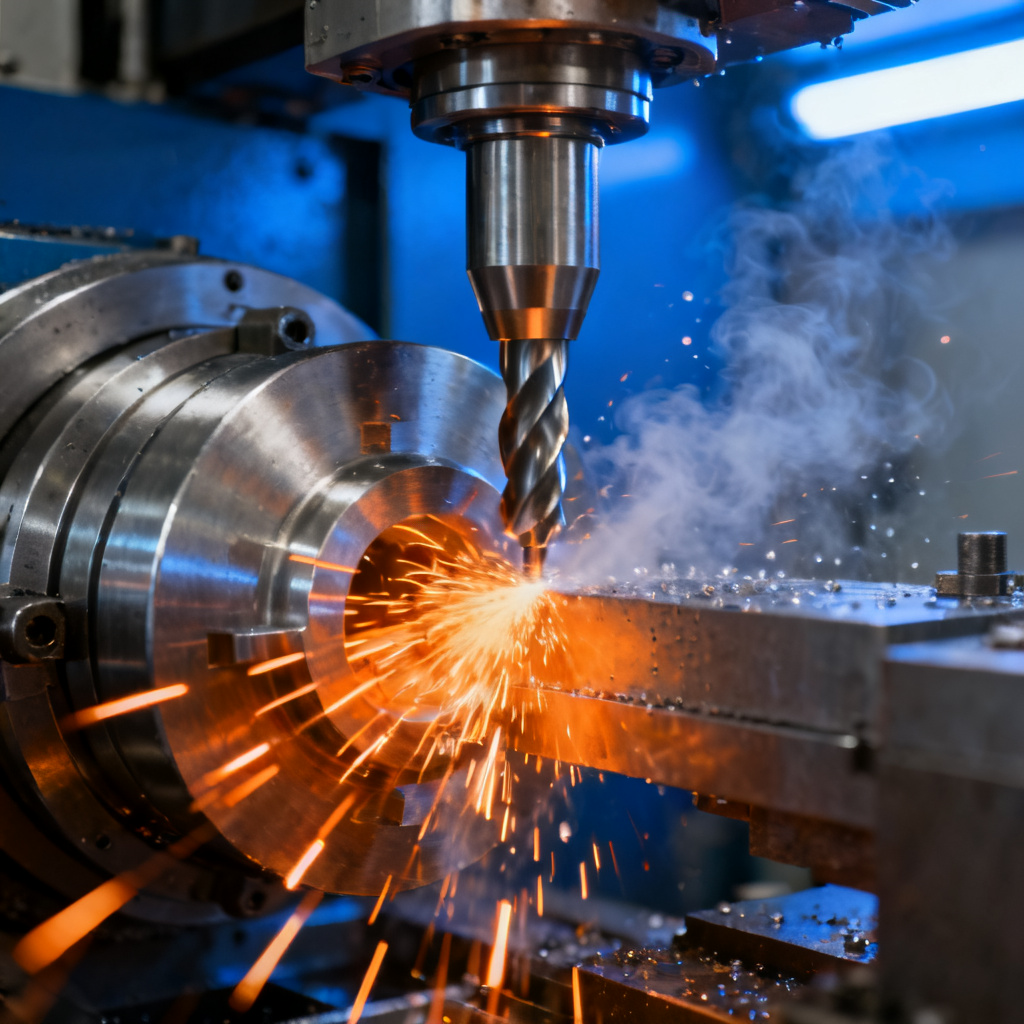
Computer Numerical Control (CNC) machining remains the workhorse of precision metal fabrication. But the technology has evolved far beyond simple 3-axis milling.
Multi-Axis Revolution
Today's 5-axis CNC machines can approach a workpiece from virtually any angle, reducing setup times by up to 60% and enabling geometries that were previously impossible. This is particularly transformative for aerospace components, medical implants, and high-performance automotive parts.
AI-Optimized Toolpaths
Machine learning algorithms are now generating optimized toolpaths in real time, adjusting feeds, speeds, and depth of cut based on material properties, tool wear, and thermal conditions. Early adopters report 15-25% increases in material removal rates while extending tool life.

Materials Pushing Boundaries
Advanced alloys including nickel superalloys, titanium aluminides, and high-entropy alloys are challenging machinists to innovate. At Hold-Tech, we develop proprietary fixturing and cooling strategies that enable machining these materials with sub-micron tolerances.
2. Metal Additive Manufacturing: Beyond Prototyping
Metal 3D printing has graduated from a prototyping curiosity to full-scale production. The global market for metal additive manufacturing is projected to exceed $12 billion by 2028, driven by adoption in aerospace, medical, and energy sectors.
Key Technologies
Selective Laser Melting (SLM) and Electron Beam Melting (EBM) remain dominant, but newer approaches like Binder Jetting and Directed Energy Deposition (DED) are expanding producible geometries and materials.

Design Freedom and Part Consolidation
The most compelling advantage of additive manufacturing is design freedom. Internal channels, lattice structures, and topology-optimized geometries can reduce part weight by 40-70% while maintaining structural integrity. GE Aviation consolidated 900 separate parts into just 16 with additive manufacturing.
Hybrid Manufacturing
The most forward-thinking shops combine additive and subtractive processes. Hybrid CNC-additive machines deposit material and then machine it to final tolerance in a single setup - eliminating the need for multiple machines, fixturing, and quality inspections.
3. Industry 4.0 and Smart Manufacturing
The smart factory is no longer a concept - it is a competitive necessity. IoT sensors, cloud computing, digital twins, and real-time analytics are transforming metal fabrication shops into predictive, self-optimizing systems.
Digital Twins
A digital twin creates a real-time virtual replica of physical assets. By simulating what-if scenarios, manufacturers can optimize cycle times, predict maintenance needs, and reduce scrap rates before they cut metal.
Predictive Maintenance
Vibration sensors, thermal cameras, and acoustic monitors feed ML models that predict spindle failures, bearing wear, and coolant degradation days or weeks before breakdowns. Shops report 25-30% reductions in unplanned downtime.
4. Sustainable Metal Manufacturing
Sustainability is becoming a regulatory and financial imperative. Metal manufacturing companies are adopting circular economy principles, energy-efficient processes, and renewable energy.
- Closed-loop coolant and cutting fluid recycling systems
- Dry machining and minimum quantity lubrication (MQL) techniques
- Recycled metal feedstock in 3D printing processes
- Solar and wind-powered fabrication facilities
- AI-driven energy optimization during non-peak production hours
5. Emerging Trends to Watch in 2026-2027
Collaborative Robots (Cobots)
Lightweight, sensor-rich cobots work alongside machinists for loading, unloading, deburring, and inspection. Unlike traditional industrial robots, cobots can be reprogrammed in hours and do not require safety cages.
Cloud-Based CAM
Cloud-native CAM platforms enable real-time collaboration between design teams across continents, with computation-intensive simulations on remote GPU clusters.
Conclusion: The Metal Renaissance Is Here
The convergence of digital technologies with traditional metalworking craftsmanship is creating a manufacturing renaissance. Companies investing in CNC automation, additive manufacturing, and Industry 4.0 infrastructure today will dominate tomorrow.
At Hold-Tech Precision Industrial, we specialize in precision-engineered metal components using the latest in CNC machining, additive manufacturing, and smart factory technology. As your expert sourcing agent in China, we bridge the gap between your technical designs and high-quality production.
Contact us today for a free DFM review.